When the lights go out in your home, it’s rarely a mystery. It’s almost certainly the weather. New data confirms what many homeowners have suspected for years: severe storms, extreme heat, and freezing temperatures are responsible for the vast majority of power failures across the United States. According to Constellation, an energy provider, a staggering 83% of all power outages are directly linked to weather conditions.
This isn't just a seasonal annoyance; it's a systemic vulnerability. From California's wildfires to Midwest tornadoes, the grid is under constant assault from nature. The numbers paint a grim picture for infrastructure resilience, but they also offer a clear roadmap for how we should prepare.
The Breakdown: Why the Grid Fails
It’s easy to blame "the storm" generally, but the specific mechanics of failure vary wildly. Referencing figures from the Congressional Research Service, Constellation breaks down exactly which elements of nature are doing the most damage. Wind and rain are the top offenders, causing 14.8% of outages. Lightning follows closely behind at 11.5%, acting like a natural EMP that fries transformers and trips breakers.
Cold weather is another silent killer. Ice storms account for 5% of outages, while other cold-weather phenomena contribute another 5.5%. When ice coats lines, the weight can snap poles or bring down trees onto wires. On the flip side, hurricanes and tropical storms cause 4.2% of failures, and tornadoes, though less frequent, cause 2.8%. Climate Central adds another critical layer to this data, noting that extreme heat and wildfires are responsible for an additional 5% of outages. As summer temperatures soar, the demand for air conditioning spikes, often overloading systems already strained by heat-induced equipment failures.
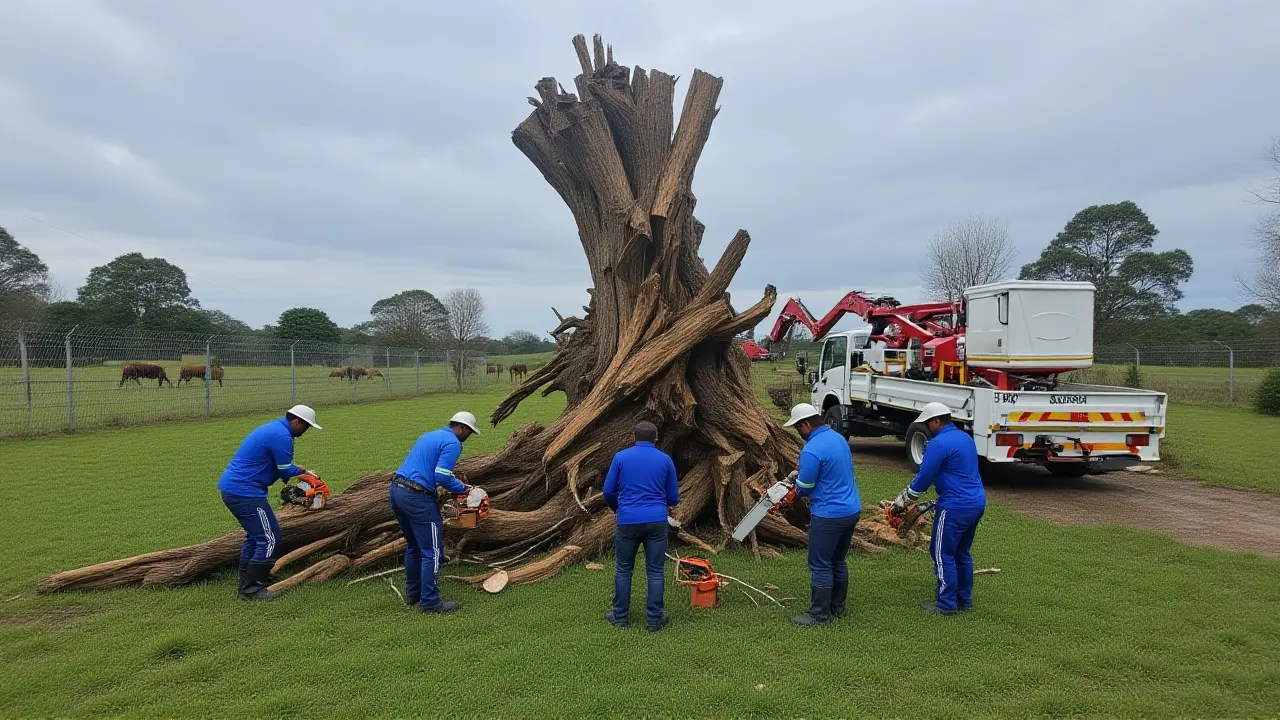
But weather isn't the only culprit. Trees remain the second most frequent cause of outages overall. An old, diseased tree doesn’t need a hurricane to fall; sometimes, gravity and rot are enough. Vehicle accidents also play a role, with cars hitting utility poles bringing down lines on otherwise clear days. Even human error—like excavators cutting underground lines during construction—contributes to the blackout count.
A Decade of Disruption
To understand the scale of the problem, you have to look at the long-term trends. Climate Central analyzed major U.S. power outages reported between 2000 and 2023. Their findings were stark: 80% of these events—totaling 1,755 distinct major outages—were caused by weather-related incidents.
This data suggests that as climate patterns become more volatile, our electrical infrastructure is struggling to keep pace. The organization PowerOutage.us, which tracks and aggregates outage data nationwide, highlights how real-time mapping reveals the geographic spread of these failures. Whether it’s the nationwide blackout in Cuba or devastating wildfires in California, the pattern is consistent: when nature strikes hard, the lights go out.
Preparing for the Blackout
Knowing the risk is one thing; surviving it is another. American Municipal Power (AMP) offers detailed guidance for households facing storm-related outages. The key? Don’t wait until the power cuts out to start preparing.
AMP recommends assembling an emergency kit that can sustain your family for at least 72 hours. This isn’t just about having snacks; it’s about survival essentials:
- Water: One gallon per person per day.
- Food: Non-perishable items and a manual can opener.
- Light & Communication: Flashlights, extra batteries, and a battery-powered or hand-crank radio.
- Health: First aid supplies and essential medications.
- Charging: Cell phones with alternate chargers (power banks).
Beyond the kit, AMP advises filling your car’s gas tank before a storm hits, fully charging electronic devices, and setting your refrigerator to its coldest setting to preserve food longer. If you rely on a generator, ensure you understand the manufacturer’s instructions to avoid carbon monoxide poisoning—a leading cause of death during winter outages.
Safety First: Downed Lines and Hazards
If you see a downed power line, your instinct might be to help or investigate. Don’t. Georgia Power and other utilities emphasize a simple rule: always assume a downed line is live and lethal. Never touch or move debris near a fallen wire. Keep children and pets away, and call 911 immediately.
If a power line falls on your vehicle, stay inside unless there is a fire. If you must exit, jump out with both feet together, keeping your hands at your sides, and shuffle away without letting your feet separate. This prevents electricity from traveling through your body. For reporting outages, Georgia Power encourages customers to use their app, website, or text "OUT" to 42797. Smart technology often detects outages automatically, but confirming them helps prioritize restoration efforts.
Local Impact and Recent Events
The threat isn't abstract. In Wichita, Kansas, the National Weather Service documented multiple severe events in 2025, including hail storms and EF-2 tornadoes in April. During periods of extreme cold, Sedgwick County emergency management advised residents to stay indoors due to hazardous road conditions, highlighting how power loss compounds travel dangers.
These local examples underscore a national reality: preparedness saves lives. Whether you're in a hurricane zone or a blizzard belt, understanding the risks and having a plan is no longer optional—it's essential.
Frequently Asked Questions
What is the single biggest cause of power outages?
Weather is the dominant cause, accounting for approximately 83% of all power outages. Within that category, wind and rain are the most frequent triggers, followed by lightning and ice storms.
How long should my emergency kit last?
Experts recommend preparing supplies for at least 72 hours. This includes water, non-perishable food, medications, and light sources, ensuring you can survive if restoration takes several days.
What should I do if I see a downed power line?
Never approach a downed line. Assume it is live and dangerous. Keep a safe distance, warn others to stay away, and call 911 immediately. Do not attempt to move any debris near the line.
Can extreme heat cause power outages?
Yes. Extreme heat leads to increased demand for cooling, which can overload the grid. Additionally, high temperatures can cause equipment failures and contribute to wildfires that damage infrastructure, accounting for about 5% of outages.
How can I report a power outage quickly?
Most utilities offer multiple channels, including mobile apps, websites, and phone lines. For example, Georgia Power allows customers to text "OUT" to 42797 or use their online portal. Reporting helps utilities verify and prioritize repairs.